24th September 2026 | 9:30am EDT / 6:30am PDT / 2:30pm BST / 3:30pm CEST | Andrey Sarafanov, PhD., Principal Investigator at U.S. FDA, Center for Biologics Evaluation and Research, Sarah Brophy, Global Scientific Director, E&L Element Materials Technology |WATCH FOR FREE
Biological drug products (biologics), such as therapeutic proteins, vaccines, and gene- and cell-based therapies, are produced through multi-step processes involving multiple materials that contact intermediates and introduce numerous leachables into the final drug product (DP). These steps include (i) purification of intermediates using chromatography, centrifugation, dialysis, filtration, and filling into final container closure systems; (ii) shelf-life storage; and (iii) in-use preparation of the DP. The respective materials include chromatography resins, filtration/dialysis membranes, tubing, collection bags/tanks, gaskets, valves, final container closure systems, and in-use preparation components. Consequently, assessing leachables risk in biologics is the most challenging compared to other types of DPs.
However, current guidances focus on assessing leachables only from single manufacturing components that are scored as high-risk for leachables and underestimate other components. Following these recommendations, manufacturers often design studies incorrectly by performing assessments only for selected components and not assessing the overall (cumulative) leachables in the final DP. Other issues involve using non-validated analytical methods that result in potentially high quantitation errors for compounds whose actual levels may exceed safety thresholds. Such issues usually cause multiple communications between the FDA and sponsors during application reviews, typically resulting in requirements to perform post-marketing assessments that burden both parties.
This presentation overviews the FDA’s approach and experience in reviewing information for leachables assessment and includes recent examples of representative review cases, aimed at facilitating proper leachables assessment. Our review experience has contributed to writing the ICH Q3E guidance draft, which is currently in the final stages of completion.
Presented by Andrey Sarafanov, PhD; Team Lead, Principal Investigator at Division of Hemostasis, Office of Plasma Protein Therapeutics, Office of Therapeutic Products, Center for Biologics Evaluation and Research at U.S. Food and Drug Administration

- Research interests: structure-function of blood coagulation factor VIII, mechanisms of FVIII clearance from the circulation, treatment of Hemophilia A, blood coagulation mechanisms.
- Regulatory work at FDA: review of information for drug products based on therapeutic proteins, for gene therapy, cell therapy and tissue-engineered products with additional focus on review of extractables and leachables assessment.
- J. H. Holland Laboratory of the American Red Cross (Rockville, MD), 1998-2004;
- University of Maryland School of Medicine (Baltimore, MD), 2004-2006;
- Armed Forces Institute of Pathology, Walter Reed Army Medical Center (Washington, DC), 2006-2008.
- BS/MS in Biochemistry – 1982, Moscow State University, USSR.
- PhD in Molecular Biology – 1998, Engelhard Institute of Molecular Biology, Russian Academy of Sciences, Moscow.
How to Overcome the Real-World Challenges of a Biologics E&L Program: Translating Regulatory Expectations Into Practical and Robust Programs
Biological drug products, including monoclonal antibodies, recombinant proteins, vaccines, and cell and gene therapies, present unique challenges for extractables and leachables (E&L) assessments, where patient safety remains paramount. Complex manufacturing processes utilizing numerous product-contact materials, often with similar polymeric compositions and limited downstream clearance, increase the potential for cumulative leachables exposure and require holistic, lifecycle-based evaluation. To support scientifically defensible and risk-based assessments, sponsors must generate meaningful data while balancing development timelines, process complexity, and analytical feasibility.
This webinar will explore the practical challenges associated with biologics E&L programs from a contract research organization (CRO) perspective and discuss strategies for translating regulatory expectations into scientifically sound, phase-appropriate approaches. Topics will include shelf-life and in-use considerations, analytical feasibility in complex biologic matrices, identification and qualification of high-risk compounds, cumulative leachables assessment, and improving confidence in quantitative screening data.
The presentation will highlight lifecycle strategies spanning early development through commercialization and post-approval change management, including common study design pitfalls and approaches to avoid late-stage delays. Special considerations for biologics and advanced therapies will be reviewed alongside discussion of how emerging ICH Q3E expectations may influence future E&L strategies. Attendees will gain practical insights into developing holistic E&L programs that integrate process understanding, analytical science, toxicological assessment, and regulatory strategy to support product development and regulatory submissions throughout the product lifecycle.
Sarah Brophy, Global Scientific Director, E&L Element Materials Technology
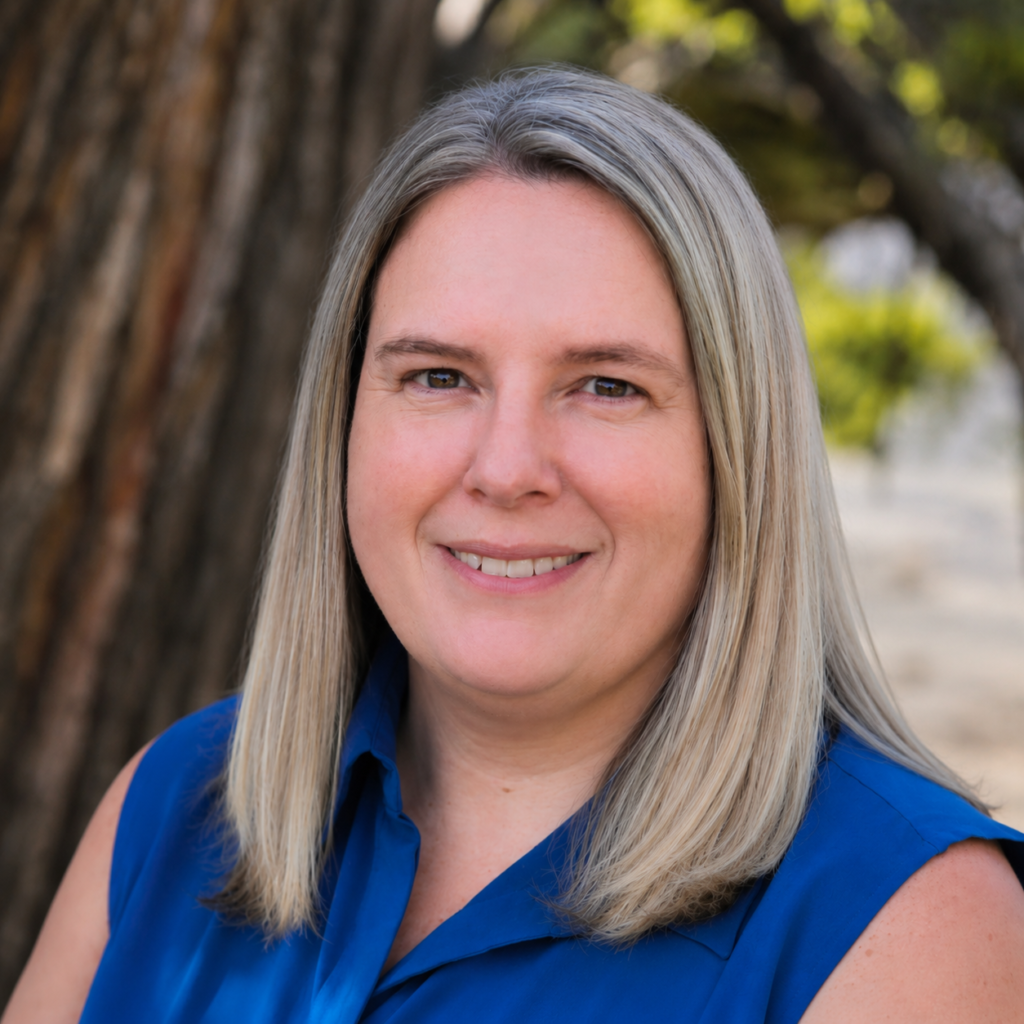
Sarah Brophy is a scientific and operational leader with 20 years of experience in analytical chemistry, extractables and leachables (E&L), and pharmaceutical and medical device testing. She currently serves as Global Scientific Director of E&L at Element Materials Technology, where she leads global scientific strategy, regulatory alignment, and technical development for E&L programs supporting the pharmaceutical, biopharmaceutical, and medical device industries.
Throughout her career, Sarah has specialized in developing risk-based scientific solutions aligned with emerging regulatory expectations. She is recognized for her expertise in study design, regulatory interpretation, ISO 17025 accreditation initiatives, and process improvement across global laboratory operations.
Prior to her current role, Sarah held leadership positions at Element Materials Technology Bend (fmr. VR Analytical), including Director of Analytical Services, where she managed multidisciplinary analytical and project management teams while driving operational excellence and customer engagement.
Sarah earned a Bachelor of Science in Chemistry from Oregon State University and has contributed extensively to the industry through presentations and publications focused on E&L methodologies, single-use systems, and analytical standardization.
Followed by a live question and answer session
Sponsored by

Element Materials Technology – Life Sciences is a global provider of testing, analytical, and regulatory support services for the pharmaceutical, biopharmaceutical, medical device, and biotechnology industries. As part of Element Materials Technology, the organization partners with clients throughout the product lifecycle, from research and development through commercialization.
Element Life Sciences offers expertise in extractables and leachables (E&L), materials characterization, microbiology, toxicology, stability studies, nitrosamine testing, and product qualification. Its global network of laboratories and scientific experts helps customers address complex regulatory requirements while ensuring product quality, safety, and compliance.
By combining technical excellence with a collaborative, science-driven approach, Element supports innovation and helps accelerate the delivery of safe and effective products to market.
We will not sell your information to a third party. See our Privacy Policy