27th October 2026 | 9:30am EDT / 6:30am PDT / 1:30pm GMT / 2:30pm CET | Ashwinkumar Bhirde, PhD. FDA/CDER/OPQ, Senior Pharmaceutical Scientist, Louise Brogan, PhD, Marketing Director, Yokogawa Fluid Imaging Technologies and Amber Raines, Ph.D., Senior Director of Client Project Management at Coriolis Pharma, U.S. |BOOK FREE SEAT FOR THIS WEBINAR
Particulate matter control is a cornerstone of biologic drug product quality, yet the analytical methods used to characterize it are not without limitations. Light Obscuration (LO), the compendial standard under USP <788>, has been widely adopted across the industry; however, accumulating evidence suggests it may systematically underestimate proteinaceous particulate burden in complex biologics including monoclonal antibodies and insulin formulations and may lack the sensitivity needed to detect subtle manufacturing variability in protein therapeutics.
Flow Imaging (FI) has emerged as a powerful complementary technique, offering not only particle count data but also rich morphological information encompassing particle shape, size distribution, and compositional features that can be critical when characterizing heterogeneous particulate populations such as protein aggregates, silicone oil droplets, and morphologically diverse contaminants.
This webinar will provide a data-driven, case study-based comparison of Light Obscuration and Flow Imaging analytical performance in the context of biologics development and quality assessment. Attendees will gain practical insight into method selection considerations and the scientific rationale for deploying Flow Imaging alongside or as an alternative to Light Obscuration in specific biologic contexts, as well as the product quality implications of method choice including the risk of underdetection and its downstream regulatory and patient safety consequences. The session will also address validation strategy and acceptance criteria development for particulate matter testing in biologic drug products, with an emphasis on fit-for-purpose method design. Professionals working in analytical development, quality assurance, and regulatory affairs will find this webinar relevant, as it aims to share practical perspectives and considerations that may inform particulate matter characterization strategies in biologics programs.
Presented by Ashwinkumar Bhirde, PhD. FDA/CDER/OPQ, Senior Pharmaceutical Scientist

Dr. Ashwinkumar Bhirde is a Senior Pharmaceutical Scientist at the U.S. Food and Drug Administration (FDA), Center for Drug Evaluation and Research (CDER), Office of Pharmaceutical Quality (OPQ), where he specializes in particulate matter characterization, analytical method development, and Chemistry, Manufacturing, and Controls (CMC) review of biologic drug products. With 15+ years of experience in pharmaceutical product characterization and 12+ years of FDA regulatory science experience, Dr. Bhirde is a nationally and internationally recognized Subject Matter Expert (SME) in particulate matter a critical quality attribute in in injectable biologic drug products. Dr. Bhirde serves as an FDA Liaison to the US Pharmacopeia (USP) Expert Panel for chapters <787>, <788>, and <790>, and actively collaborates with particulate matter experts across CDER, CBER, and CDRH. He has been Session Chair for “Particles in Biologic Drug Products” at IFPAC since 2019 and has served as an invited keynote speaker at international conferences including the APV Workshop in Germany. Dr. Bhirde has authored 34 peer-reviewed publications with over 4,500 citations (h-index: 22), published in high-impact journals including ACS Nano and Nature Scientific Reports, and is a recipient of the 2024 FDA Innovator Award.
FlowCam LO: Flow Imaging Microscopy and Light Obscuration in One Instrument
Accelerating subvisible particle analysis with orthogonal FIM and LO data from a single sample run
Subvisible particle analysis is essential to biologic drug product development and quality control, yet laboratories often rely on separate methods to meet compendial light obscuration requirements and obtain the image-based insight needed to understand particle identity and morphology. FlowCam LO brings these complementary capabilities together in a single instrument by combining a light obscuration module with a FlowCam flow imaging microscopy module, enabling LO particle count and sizing data alongside high-resolution particle images and morphology measurements from the same sample run. In Dr. Brogan’s presentation, she will introduce the FlowCam LO workflow and show how integrated LO and flow imaging microscopy can bridge USP <787>/<788> subvisible particle testing, support early assessment of acceptance risk, and provide orthogonal visual evidence for investigating protein aggregates, silicone oil droplets, air bubbles, and other particulate populations. Attendees will learn how using one instrument and one sample can reduce workflow complexity while improving confidence in particle characterization, method development, formulation decisions, and root-cause investigations for biologic products.
Presented by Louise Brogan, PhD, Marketing Director, Yokogawa Fluid Imaging Technologies
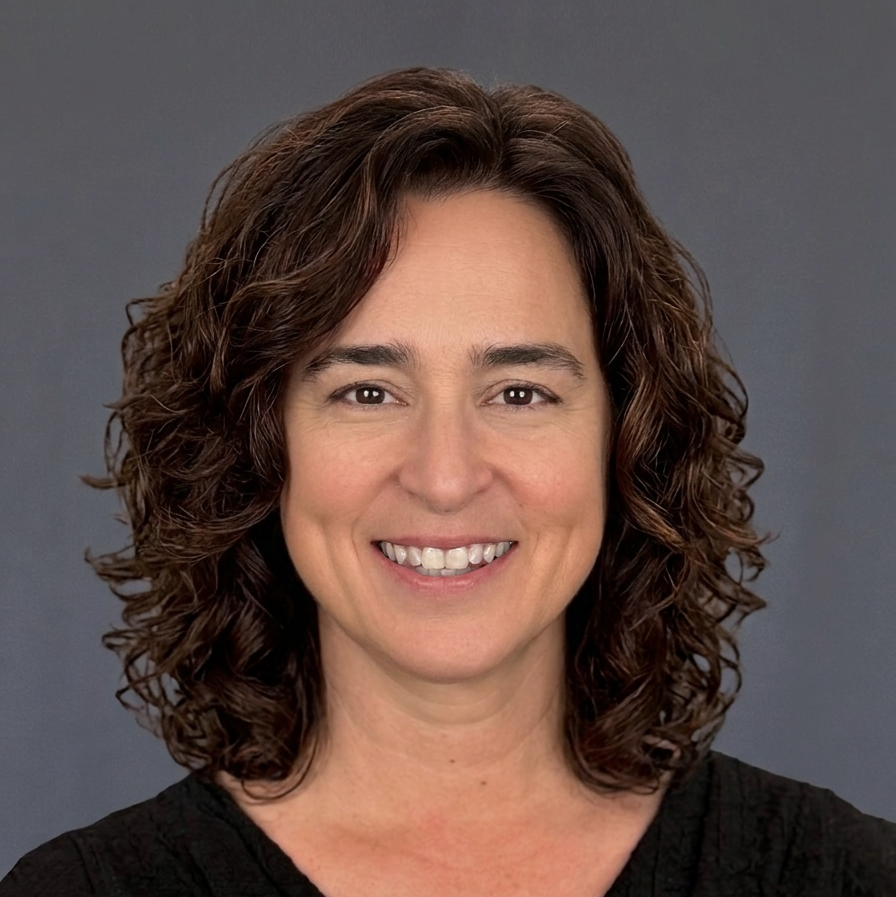
Louise is a scientist at the intersection of biology, strategy, and communication. With expertise in biochemistry, molecular imaging, and cell biology, she drives the development of flow imaging microscopy applications and method optimization. Known for her innovative approach to problem-solving, she transforms technical insights into concrete actions to ensure success. Louise holds a B.A. in Mathematics and a B.A. in Biochemistry from Colby College, and a Ph.D. in Biochemistry from the University of Notre Dame. Louise has co-authored many peer-reviewed publications that have appeared in journals including Biochemistry, Journal of Clinical Investigation, and Nature. She held a post-doctoral research fellowship at the Jackson Laboratory in Bar Harbor, Maine, and a second fellowship in cardiovascular research at Albany Medical College in Albany, NY. Louise has enjoyed working across industrial, academic, and not-for-profit institutions and brings a proactive mindset to collaboration and partnerships.
Innovative Tools to support Particle Identification and Characterization in Novel Medicines
This presentation explores the analytical challenges of particle characterization and identification in biologics and advanced therapies, including gene and cell therapy products. These medicines may contain particulate active ingredients, such as viral vectors and cells, as well as impurities arising from degradation or manufacturing, storage, and administration processes.
Particles are critical quality attributes (CQAs) that can affect product quality, safety, and therapeutic performance. Understanding their origin, composition, and formation is essential, particularly for visible particles that require identification to support product justification and root-cause investigations.
The presentation will review key analytical approaches for particle characterization and identification, with a focus on the application of machine learning to improve particle analysis workflows. Topics will include flow imaging for morphology-based classification, FTIR microscopy, and SEM-EDX for compositional identification.
Case studies will demonstrate how these techniques support effective troubleshooting and robust analytical strategies throughout the product development lifecycle.
Presented by Amber Raines, Ph.D., Senior Director of Client Project Management at Coriolis Pharma, U.S

Amber Raines, Ph.D. is Senior Director of Client Project Management at Coriolis Pharma, U.S., where she leads strategic client partnerships and project execution across biologics development programs. She is an expert at particle characterization and identification of (bio)pharmaceuticals, with a strong scientific background in biophysical characterization, formulation, and analytical development for protein therapeutics. Previously, she served as Senior Director of Rapid Analytics at KBI Biopharma, overseeing biophysical and particle characterization centers of excellence, innovation in analytical technologies, and collaborations with organizations such as NIST, NIH, and AAPS. Dr. Raines has over 15 years of industry experience at companies including Amgen and Merck. She holds a Ph.D. in Chemical and Biological Engineering from the University of Colorado Boulder and is an inventor on a U.S. patent related to reducing immunogenicity in therapeutic proteins.
Followed by a live question and answers session
Sponsored by Yokogawa Fluid Imaging Technologies Inc and Coriolis Pharma

About Yokogawa Fluid Imaging Technologies
Yokogawa Fluid Imaging Technologies delivers advanced flow imaging microscopy solutions that empower biopharmaceutical teams to confidently characterize subvisible and submicron particles. Our flagship platform, FlowCam, provides rapid, high-resolution images that reveal particle concentration, size distribution, and detailed morphology – critical for discriminating between API aggregates and foreign contaminants. As products advance toward clinical and commercial stages, particle characterization becomes essential for meeting compendial requirements. USP chapters <787>, <788>, and <789> define particulate matter standards for parenteral products, while USP <1788> acknowledges the limitations of these methods and recommends flow imaging microscopy (FIM) as an orthogonal approach. FlowCam’s FIM technology delivers the morphological insight needed to complement light obscuration and membrane microscopy, strengthen risk-based quality decisions, and support regulatory compliance. Now part of Yokogawa Electric, we continue to drive innovation in particle analysis from our headquarters in Scarborough, Maine – helping biopharma teams generate reliable data that accelerates development and ensures product quality.
About Coriolis Pharma
Coriolis Pharma is a globally operating contract research and development organization (CRDO) and a trusted partner for drug product development, analytical, and manufacturing services across a wide range of therapeutic modalities. Our expert scientists combine deep scientific expertise with innovative platform and custom solutions to accelerate development, reduce risk, and support your program from the earliest stages through commercialization. We provide advanced formulation technologies, state-of-the-art analytical methods, and tailored development strategies designed to meet the unique needs of each project. By delivering integrated support throughout the entire product lifecycle, we help bring safe, effective, and high-quality therapies to patients faster.
We will not sell your information to a third party. See our Privacy Policy